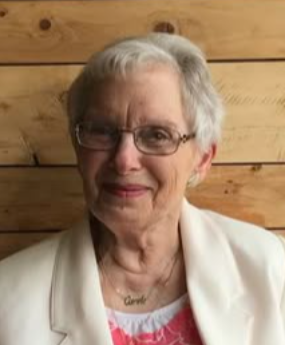
Carole Barbara Dworkin
Carole Barbara Dworkin (née Bercovitch, later known as Burke) was born on 23 March 1937 in Clapton, East London, into a Jewish family shaped by migration, tradition, and resilience. Named after her grandmothers, she grew up during a time of hardship and war, which deeply influenced her early life. Raised in Hackney, she formed a close bond with her grandfather Morris Freedlander whose companionship and traditions, such as giving her coins on birthdays, left a lasting impression.
moments of community spirit, such as outdoor film screenings and celebrations marking the end of the war
Her childhood was marked by the realities of the Second World War. She experienced air raids, sheltering in Anderson shelters, and the destruction caused by bombing. Despite the dangers, she recalls moments of community spirit, such as outdoor film screenings and celebrations marking the end of the war. She also became aware of her Jewish identity in a challenging way when confronted by antisemitism as a child, an experience that shaped her sense of self and faith.
Carole attended Millfields Road School and later John Howard School, where she developed strong academic skills, particularly in spelling and arithmetic. Though shy at first, she became sociable and active, participating in sports like tennis and netball. She described herself as something of a tomboy in her youth. Personal loss, including the death of a close childhood friend, also influenced her upbringing.
After leaving school at the age of seventeen, Carole began working in clerical roles in London, contributing financially to her family after her father suffered a heart attack. During this time, she contracted rheumatic fever, which had long-term effects on her health. Her early working life included roles as a shorthand typist and later a personal assistant, gaining responsibility and experience in business settings.
lived in Dar es Salaam and later Nairobi
A turning point came when she rekindled her relationship with Paul, whom she married in 1959. Soon after, the couple moved to East Africa for Paul’s work. They lived in Dar es Salaam and later Nairobi, adapting to a new climate and culture. Carole worked in administrative roles but found some positions stressful. During this period, she became pregnant and gave birth to her first son Murray in Nairobi.Returning to England in 1962, the family settled first in Essex and later in Edgware, where they remained for over three decades. Carole raised two sons, Murray and Leigh, and eventually returned to work in various administrative roles, including a long and fulfilling career in the civil service. She valued independence, accuracy, and social interaction in her professional life.
In later years, Carole and Paul moved to Bournemouth, seeking a quieter lifestyle. However, her later life was marked by health challenges, including a heart attack, stroke, and surgeries. Despite these difficulties she remained active, participating in community groups such as the University of the Third Age, attending theatre outings, and pursuing interests in music and writing.
resilience, adaptability, and a strong sense of family and identity
The death of her husband Paul in 2014 was a profound loss, after which her life became quieter but still structured around social activities and family connections. She maintained close relationships with her sons and took pride in her granddaughter, Katya.
Reflecting on her life, Carole portrays a journey shaped by resilience, adaptability, and a strong sense of family and identity. From wartime childhood to international experiences and later-life challenges, her story highlights perseverance and the importance of community, tradition, and personal strength across changing times.